North-facing rooms tend to be the ones people apologise for. They get described in listings as “softly lit” and by the people who actually live in them as cold, dim and hard to decorate. Often the radiator is working perfectly well. The room is not necessarily colder than the rest of the house — it just reads that way, because the light coming through the window is doing something quite specific to every colour, surface and shadow in the room. Understand what that something is, and the fixes stop being guesswork.
What North Light Actually Does
A north-facing window never receives direct sun. The light arrives after bouncing off the sky, which makes it even, shadowless and slightly blue. There is no bright patch tracking across the floor, no warm hour in the late afternoon. Contrast is low. Shadows are soft and vague rather than crisp.
That has two consequences. Everything in the room looks a little cooler than it did in the shop or on the paint chart, because cool wavelengths dominate and warm tones quietly lose their warmth. And flat light flattens texture: a woven fabric, a plaster wall and a plastic panel can all look oddly similar when nothing rakes across them.
Winter makes it worse. The sun sits low enough that even south-facing rooms lose their advantage, while the north side stays stubbornly blue-grey for months. Add shorter days and you are relying on lamps for most of your waking hours at home.
Why Your Colours Behave Differently
If a paint colour has disappointed you, the direction of the window is often the reason. Cool light mutes warm undertones, which means a creamy off-white can turn chalky grey, a warm taupe can go distinctly lilac, and a soft grey-green can look like a corridor. Brilliant white rarely helps either; on a north wall it often reads as flat and faintly dirty.
The trick is to shop by undertone rather than by name. Creams, oatmeals, warm stones and off-whites with a hint of yellow, red or brown hold their temperature in cool light. Whites with a blue or grey base, and cool greys, will always look colder than they did on the sample card — which is lovely if you want that calm, cool feel and disappointing if you do not.
Never choose from a tiny chip. Paint two coats onto lining paper, tape it to the wall and live with it for a few days. Look at it in the morning, in the afternoon, and in the evening with the lamps on, because the same colour will do something different at each. Test it beside the flooring and fabrics that are staying.
Texture Does the Heavy Lifting
When light is flat, texture is what stops a room looking two-dimensional. A north-facing room with smooth walls, flat carpet and a low-sheen sofa can feel like a waiting room, however nice the colours are. A room with a wool rug, linen curtains, a chunky throw and visible wood grain gives that soft light something to catch.
Matte finishes generally suit north light better than gloss, which reflects the flatness straight back at you and highlights every imperfection in the plaster. For fabrics, think wool, bouclé, brushed cotton, corduroy, linen and velvet — velvet shifts in tone as you walk past it, which gives a cool room a sense of depth. For wood, oak, ash, walnut and pine bring warmth, while grey-washed, limed and whitewashed finishes can look ghostly under northern light. Metals matter too: brass, aged bronze and copper add a quiet glow where chrome and polished steel go cold.
Fix the Lighting Before Anything Else
Two things go wrong with lighting in north-facing rooms. There is not enough of it, and what there is has the wrong colour temperature. A daylight or cool white bulb, designed to mimic the sky, simply doubles down on the blue cast and makes everything look clinical. Warm white bulbs will make the same room feel noticeably kinder.
Then layer the light. One bright ceiling fitting in the middle of the room gives even, flat illumination that flatters nobody. Two or three sources at different heights work far better: a table lamp beside the sofa, a floor lamp in the darkest corner, a small lamp on a shelf, a picture light on a wall that would otherwise be a slab of shadow. Pools of light create contrast, and contrast is what warmth looks like. A dimmer on the main light lets you drop the level in the evening without switching to a single weak bulb.
Quick Fixes You Can Do This Weekend
- Swap cool white or daylight bulbs for warm white ones, starting with the lamps you use most.
- Add a second light source in the darkest corner, even a small one — it is usually the corner behind the door.
- Lay a wool or thick cotton rug over hard flooring, and put something with pile underfoot beside the sofa or bed.
- Hang curtains wider than the window and full length to the floor. A warm-toned lining helps twice over, softening the light and keeping the draught out.
- Move bulky, dark furniture off the window wall so it stops blocking what light you get, and keep the glass and sills clean.
- Hang a mirror on a wall opposite the window to push daylight further into the room.
- Choose brass, terracotta, amber glass, cane and warm-toned wood over chrome, steel and cool marble.
If It Is Genuinely Cold, Not Just Cool-Looking
Worth checking, because the two problems get muddled. If the room actually loses heat, no amount of oatmeal paint will fix it. Feel for draughts around the window frame, the skirting and the door; an open chimney or unused vent can pull cold air through a room all day. Curtains that hang over a radiator push heat straight up the glass, so shorten them or move the radiator. Furniture in front of a radiator does the same. If a radiator is warm at the bottom and cool at the top, it needs bleeding. And if the room has never been properly warm, it is worth asking a heating engineer whether the radiator is the right size for the space — that is a job for a professional rather than a tin of paint.
Where to Start
Work in order of effort rather than expense. Lighting first: change the bulbs, add a lamp, and see the difference before you spend anything on decoration. Textiles second, because they change how a room feels immediately and you can take them with you if you move. Paint last, and only after you have tested samples in the room’s own light with the lamps you intend to keep. Cool greys and chrome can look superb in a bright, south-facing room. In a north-facing one, they usually need a little help.
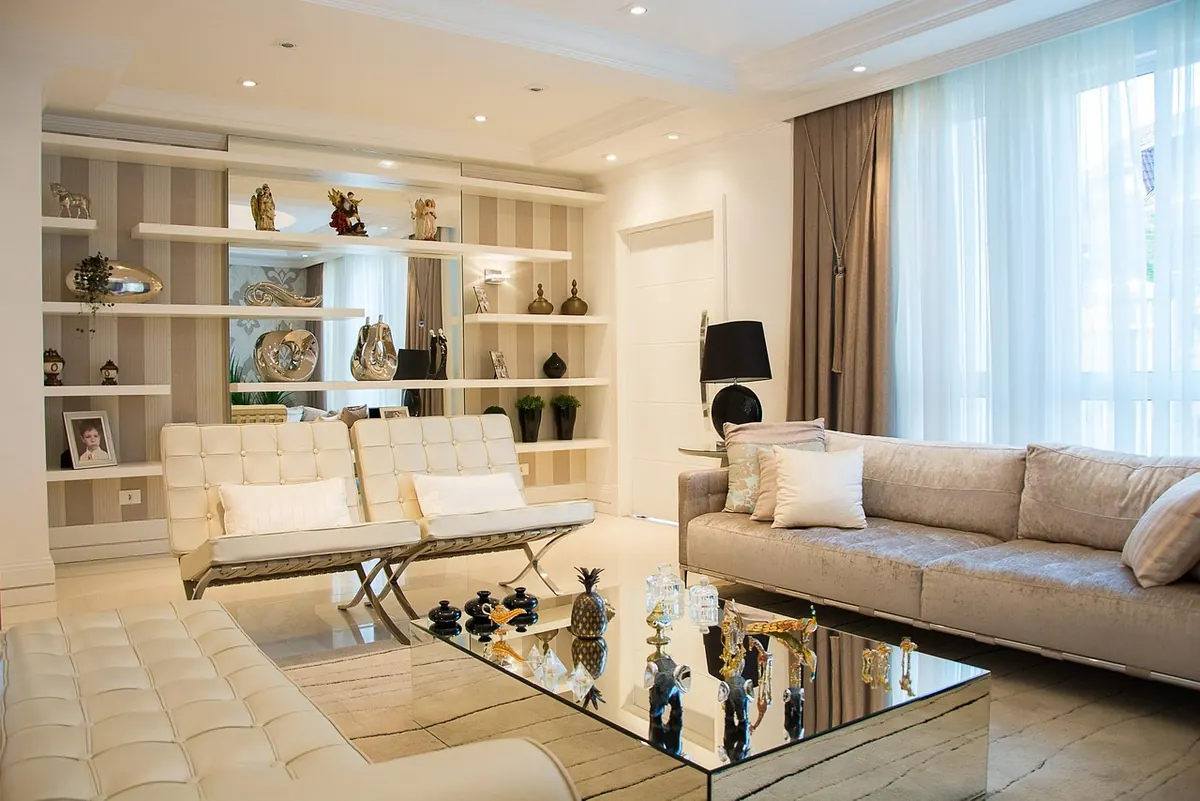
Photo: leemelina08 / Pixabay