The first winter you keep houseplants is the one that teaches you the most. In June, almost anything looks after itself: light is generous, compost dries out, and a missed watering is rarely fatal. By January, the same plant on the same windowsill is living in a different world — short days, low sun, and central heating quietly doing its worst.
None of it is hard to manage. It comes down to three things: light, water and where you put the pot. Add a little restraint, and your plants will reach spring without rot, bare stems or a row of empty pots.
Start With Light, Because Everything Else Follows
From November to February, a British windowsill receives a fraction of its summer light. Most houseplants respond by slowing down or stopping growth altogether, and that is normal. Your job is simply to make the most of the daylight there is.
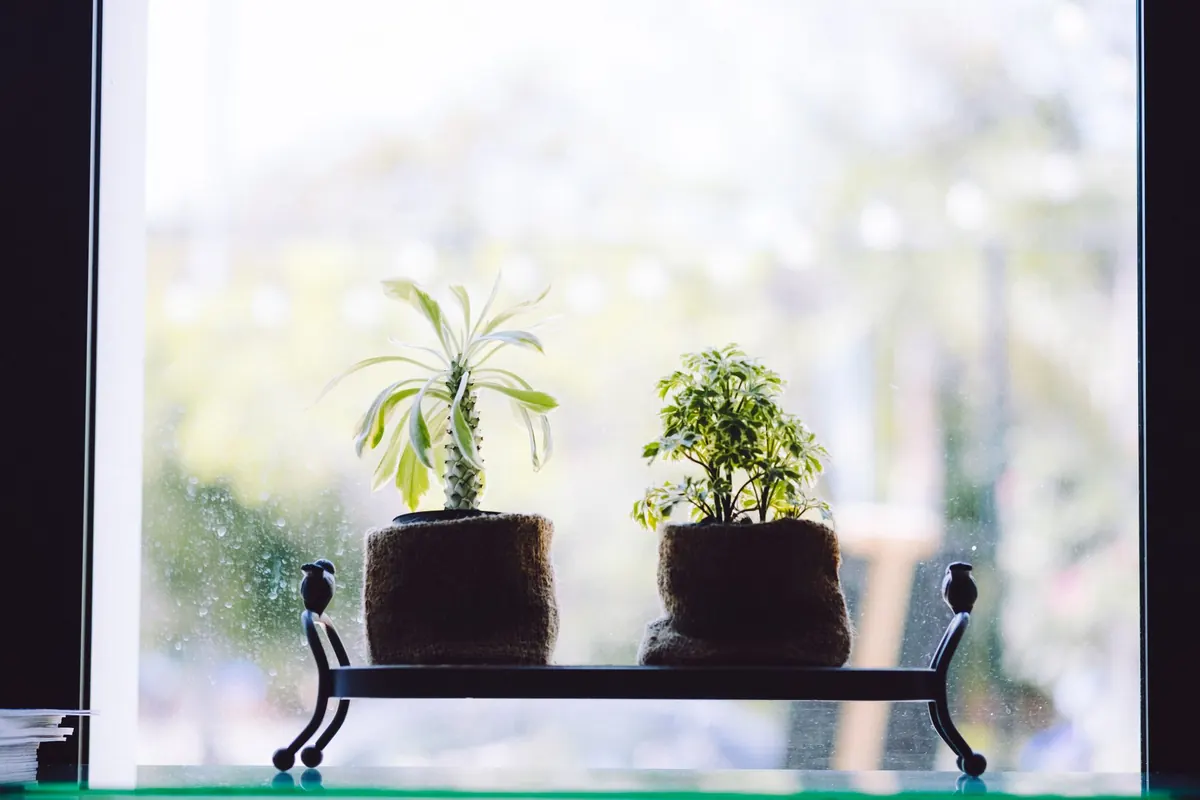
Move plants closer to the glass as autumn fades. A south-facing sill is the brightest spot in most homes, then east or west, then north. North light suits snake plants, ZZ plants and pothos; most flowering plants will just mark time there. Net curtains cut light noticeably, so open them during the day.
Four small habits that make a difference
- Wipe leaves every few weeks with a damp cloth. Dust and hard-water spots block the light a leaf needs to make its food.
- Turn each pot a quarter turn weekly, or you will end up with a plant that leans permanently towards the window.
- Keep leaves off the glass. Cold panes can damage foliage that rests against them overnight.
- If your brightest room is still gloomy, a basic LED grow light on a timer for ten to twelve hours a day is a cheap way to lengthen the day. Useful, not essential.
Water Much Less — and Always Check First
Overwatering, not drought, is what kills most houseplants in winter. In low light a plant uses far less water, and compost that stays wet in a cool room turns sour. Roots need oxygen; sitting in saturated compost, they suffocate and rot.
Before you pick up the watering can, do two things:
- Push a finger about two centimetres into the compost. If it feels damp, wait.
- Lift the pot. A dry pot is noticeably lighter than a wet one.
When a plant does need water, water it properly — until it runs out of the drainage holes — then empty the saucer within half an hour. A small splash every few days is worse than a thorough soak every fortnight, because the bottom of the pot never dries out. Use room-temperature water; a blast of cold from the tap shocks tropical roots.
As a rough guide, a plant that drinks weekly in summer may need water every two to three weeks now. Succulents and cacti often need only a light watering once a month or less. Peace lilies and other tropicals will droop theatrically to tell you they are thirsty, then recover within hours of a drink.
Keep Pots Away From Draughts, Radiators and Cold Glass
Two extremes do the damage. Draughts from doors, letterboxes and trickle vents chill compost and foliage, which tropical plants resent. Hot, dry air above a radiator desiccates leaves faster than almost anything else. Move pots off radiator tops and off shelves directly above them, and keep them a few centimetres back from single-glazed windows.
Most houseplants are comfortable somewhere between about 15°C and 24°C, and they cope far better with a steady cool room than with wide swings. A spare room that sits at 12–15°C suits snake plants, spider plants and ZZ plants well; it will not suit a calathea or a peace lily. A chilly hallway, on the other hand, is a fine home for a cactus.
Dry Air Is Half the Problem
Central heating pulls moisture out of the air, and the signs show up as crisp brown leaf edges, curling leaves and dropped buds. Misting is a popular fix but a weak one: the film of water evaporates in minutes, and on fuzzy leaves such as African violets and begonias, wet foliage invites fungal problems.
Better options: group plants together so the air around them stays slightly more humid; stand pots on a tray of pebbles with water sitting below the pot, never touching it; and move ferns and calatheas to a bright bathroom or kitchen if there is a window. Keep everything clear of the direct path of radiator heat, and let the room have a little airflow rather than sealing it up.
Reading the Warning Signs
- Pale, stretched stems with wide gaps between leaves: the plant is reaching for light. Move it closer to a window.
- Yellow lower leaves and compost that never dries: overwatering. Stop watering and check the drainage holes are clear.
- Soft, brown, mushy stems at the base: rot has set in. Take cuttings from healthy growth while you still can.
- Crisp brown tips: dry air or inconsistent watering. Usually cosmetic rather than fatal.
- Leaf drop after a cold night or a move: shock. Keep conditions steady and resist the urge to feed or repot in response.
- Sticky patches, fine webbing or white specks: pests, which thrive on stressed plants in dry air. Check leaf undersides and act before spring.
Hold Off on Feeding and Repotting
Little is growing, so little is needed. Fertiliser given now builds up in the compost and can burn roots — wait until you see new growth in spring. Repotting is a spring job too, since disturbing roots in the darkest weeks slows recovery. And pruning a leggy plant in December leaves you with a bare stump until March. Better to wait.
A Ten-Minute Winter Routine
Set aside a few minutes each week and the rest takes care of itself.
- Weekly: check the compost with a finger, turn the pots, and look at both sides of the leaves. Remove anything yellow or dead.
- Fortnightly: water whatever genuinely needs it, thoroughly, and empty the saucers.
- Monthly: wipe the leaves, check for pests, and nudge anything that is stretching towards the light.
Winter is not the season for making plants grow. It is the season for holding them steady. Get the light as good as you can, water about half as often as you think you should, keep pots clear of draughts and radiators, and most of your collection will come through to spring ready to put on new growth. If you lose one along the way, don't take it personally — almost everyone does.
Photo: Porapak Apichodilok / Pexels